
Your Garage Door Shouldn't Sound Like That
You press the button, and instead of a smooth, quiet operation, your garage door greets you with a symphony of grinding, squealing, popping, or rattling. If you're a homeowner in Miramar Beach, you've probably experienced this at least once — and you've probably wondered whether it's something you can ignore or something that needs immediate attention.
The short answer: garage door noises almost always mean something. They're your door's way of telling you that a component is wearing out, something has come loose, or a mechanical failure is on the horizon. Ignoring these sounds can turn a minor fix into a major repair bill.
Let's break down the most common garage door noises, what causes them, and what you should do about each one.
Grinding or Scraping Sounds
A grinding or scraping noise is one of the most common complaints we hear from homeowners. This sound typically points to one of a few issues:
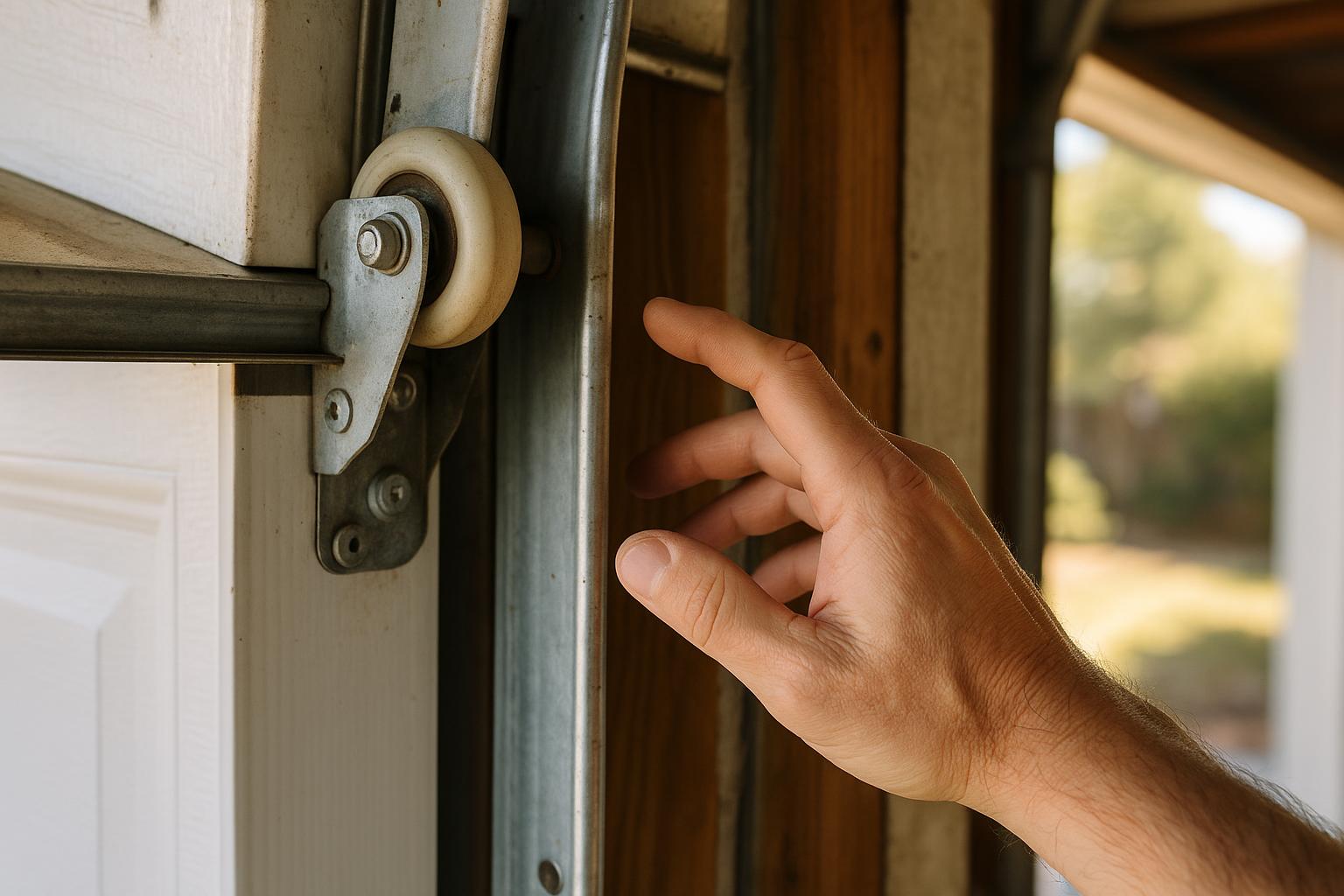
- Worn rollers: Garage door rollers guide your door along the tracks as it opens and closes. Over time, especially with steel rollers, they wear down and begin to grind against the track. Nylon rollers tend to be quieter and last longer, making them a popular upgrade.
- Misaligned tracks: If the vertical or horizontal tracks have shifted even slightly, the door can scrape against them as it moves. This creates a metal-on-metal grinding sound that worsens over time.
- Lack of lubrication: Dry metal components rubbing together will produce grinding sounds. Regular lubrication of the rollers, hinges, and tracks can often eliminate this noise entirely.
If you hear grinding, start by visually inspecting the tracks for obvious bends or gaps. A quick application of garage door lubricant (not WD-40, which is a degreaser, not a lubricant) to the rollers and hinges can sometimes solve the problem immediately.
Squealing or Squeaking Noises
High-pitched squealing is hard to ignore, and it usually indicates friction where there shouldn't be any. Common causes include:
- Dry bearings: The torsion spring system and rollers both rely on bearings that need periodic lubrication. When they dry out, they squeal.
- Worn weather stripping: The rubber seal along the bottom and sides of your garage door can harden and create a squeaking sound as the door moves past it.
- Torsion spring tension issues: Springs under improper tension can produce a squealing noise as they wind and unwind. This is not a DIY fix — torsion springs are under extreme tension and should only be adjusted by a trained technician.
Here on the Emerald Coast, the combination of heat and humidity can dry out lubricants faster than in other climates. Miramar Beach homeowners should consider lubricating their garage door components every three to four months rather than the standard twice-a-year recommendation.
Banging or Popping Sounds
A loud bang or pop when your garage door operates is more alarming, and for good reason. These sounds often indicate:
- A broken or breaking spring: If you hear a single loud bang — almost like a gunshot — from your garage, it's very likely a torsion spring has snapped. You'll usually find the door won't open afterward. This requires professional repair immediately.
- Panel issues: Popping sounds can occur when door panels flex under stress. This might mean a panel is warping, a hinge is failing, or the door is unbalanced.
- Opener strain: If the garage door opener is working harder than it should — due to a heavy door, worn springs, or track problems — it can produce banging sounds as the motor strains to move the door.
Never attempt to open a garage door manually if you suspect a broken spring. The door can weigh several hundred pounds and is extremely dangerous without proper spring support.
Rattling or Vibrating Noises
Rattling is often the least serious noise, but it shouldn't be ignored. It usually means something has come loose:
- Loose hardware: The nuts, bolts, and screws that hold your garage door system together can vibrate loose over time. A simple socket wrench can tighten everything back up.
- Loose chain or belt: If your opener uses a chain drive, a loose chain will rattle and slap during operation. Belt drive openers can also develop slack over time.
- Vibrating opener mount: The bracket that attaches your opener to the ceiling can loosen, causing the entire unit to vibrate and rattle when it runs.
Go through your garage door hardware with a wrench every six months and snug up anything that's loosened. It takes ten minutes and can prevent bigger problems down the road.
Clicking or Ticking Sounds
A rhythmic clicking or ticking noise is often related to the opener or the track system:
- Stripped gears in the opener: If the motor runs but the door barely moves and you hear clicking, the opener's internal gears may be stripped. This is a common issue with older units.
- Roller obstruction: Small debris caught in the track or a roller that's slightly off its path can create a repetitive clicking as the door passes that point.
- Sensor issues: While less common, malfunctioning safety sensors can cause the opener to click repeatedly without engaging.
When to DIY and When to Call a Professional
Some garage door noise issues are safe and straightforward to handle yourself:
- Lubricating rollers, hinges, and springs
- Tightening loose bolts and screws
- Clearing debris from the tracks
- Replacing worn weather stripping
However, certain repairs should always be left to a professional:
- Anything involving torsion springs
- Track realignment
- Opener motor or gear replacement
- Cable repair or replacement
- Balancing an unbalanced door
Attempting spring or cable repairs without proper training and tools can result in serious injury. It's simply not worth the risk.
Keep Your Garage Door Running Quietly
The best way to prevent noisy garage door problems is with regular maintenance. A professional tune-up once a year can catch worn components before they fail, keep everything properly lubricated, and ensure your door is balanced and aligned. For homes in Miramar Beach and the surrounding Destin and Santa Rosa Beach areas, where coastal conditions put extra stress on garage door systems, routine maintenance is especially important.
If your garage door is making a sound that doesn't seem right, don't wait for it to get worse. At Miramar Beach Door & Opener, we diagnose and fix noisy garage doors every day. Whether it's a quick lubrication, a roller replacement, or a full opener repair, we'll get your door running smoothly and quietly again. Give us a call or schedule a service appointment — your ears (and your neighbors) will thank you.